Learning Outcomes:
i. Define the term "afterbirth" and understand its components.
ii. Describe the physiological processes involved in the detachment of the umbilical cord after birth.
iii. Differentiate between active and delayed cord clamping practices.
iv. Appreciate the crucial role of the afterbirth in postnatal care and its cultural significance in different societies.
Introduction:
Imagine the curtain falling after a breathtaking performance. In the play of pregnancy, the final act culminates in the birth of a new life. But the stage isn't quite empty yet. Enter the "afterbirth," a fascinating bundle that marks the symbolic and physical separation between mother and child. In this lesson, we'll delve into the mysteries of this seemingly discarded piece, exploring its components, its detachment from the baby, and its unexpected significance.
i. The Afterbirth: A Discarded Stage Crew
The afterbirth, also called the placenta and membranes, is not simply waste. It's a complex organ that played a vital role throughout pregnancy:
The Placenta: This remarkable disc was the baby's lifeline, delivering oxygen and nutrients and removing waste products. It also produced hormones essential for pregnancy.
The Membranes: These thin sacs protected the developing baby and provided a fluid-filled environment for growth.
ii. The Grand Finale: Unraveling the Cord
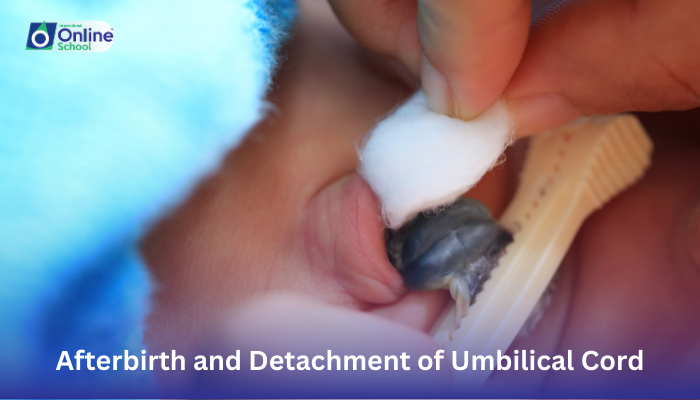
After the baby takes its first breath, the umbilical cord, the once-vital connection, undergoes its own transformation:
Natural Separation: As the placenta continues to contract, the blood flow in the cord diminishes, leading to its natural clotting and shrinking.
Cord Clamping: Traditionally, the cord is clamped and cut shortly after birth. However, practices like delayed cord clamping allow the baby to receive additional blood and stem cells from the placenta.
iii. Active vs. Delayed Clamping: A Balancing Act
The decision to clamp the cord immediately or wait a few minutes can have different benefits:
Active Clamping: This traditional method quickly stops blood flow, preventing blood loss for the baby.
Delayed Clamping: This practice allows the baby to receive additional oxygen and nutrients, potentially improving iron levels and early development.
iv. Beyond Biology: The Cultural Tapestry of the Afterbirth
The afterbirth holds cultural significance across various communities:
Burial rituals: Some cultures bury the placenta, symbolizing the return of life to the earth.
Planting traditions: Others plant trees with the umbilical cord, creating a living connection between the child and their roots.
The afterbirth, often discarded and unseen, is more than just discarded tissue. It's a story of connection, nourishment, and transformation. Understanding its components, detachment process, and cultural significance allows us to appreciate the intricate dance between mother and child that culminates in new life. Remember, the final curtain doesn't mark the end; it's simply the beginning of a new chapter, one where the echoes of the afterbirth continue to resonate in the bond between mother and child.
